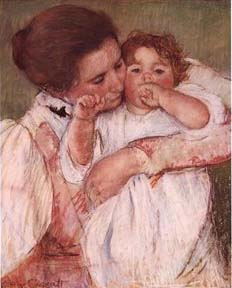
Mother and Child by Mary Cassatt

Body Centered Hypnosis for Childbirth

by
Gayle Peterson, LCSW, PhD

A course for 8 hours of continuing education

BRN, CA BBS, FL, NASW, NBCC, OH, TX, TX SBEPC

To accompany:

BODY CENTERED HYPNOSIS FOR CHILDBIRTH: A TRAINING DVD
by
Gayle Peterson
Mentor: Dr. Walter Rollin
presented to Columbia Pacific University
in partial fulfillment of the requirements
for the degree of: Doctorate in Psychology
submitted: January 15, 1990


Please join our clinical discussion on material from this course at:
http://www.psychceu.com/forum/default.asp


TABLE OF CONTENTS

ABSTRACT

CHAPTER ONE: Introduction
The Use of Hypnosis in Childbirth

CHAPTER TWO: The Use of Body Centered Hypnosis in Childbirth
A Case Study of Jill
Body Centered Hypnosis and the Limbic System

CHAPTER THREE: Women's Needs in Childbirth
An Overview and Recommendations for Women's Health Care
Conclusion

BIBLIOGRAPHY and REFERENCES.


ABSTRACT This study examines the use of body-centered hypnosis as part of holistic childbirth preparation. Research is reviewed showing hypnosis to be more succesful in reducing the need for pain medications duirng labor tham either of the two leading childbirth methods, LaMaze or Grantley Dick-Read. The Peterson method of body-centered hypnosis incorporates pain as a healthy part of childbirth and has been shown to decrease medical complications in labor and to facilitate normal delivery. This hypnosis method is described and illustrated with a videotaped case example. The possible impact of hypnotic suggestions on the limbic system of the brain is discussed. Body-centered hypnosis is shown to be an effective way of addressing the emotional and psychological issues surrounding pregnancy and childbirth, as well as the accompanying changes within family systems. Recommendations are offered for improving the obstetrical care offered by medical and mental health professionals by incorporating holistic principles of prenatal care.


CHAPTER ONE: INTRODUCTION

The Use of Hypnosis in Childbirth
In order to understand the significance of body centered hypnosis in facilitating the childbirth process, it is neccesary to review the literature on the use of hypnosis in childbirth preparation during the 20th century.
In "Hypnosis in the Relief of Pain," Ernest Hilgard and Josephine Hilgard (1975) write that "from a psychological standpoint, the primary problem once labor begins is pain." (p.103). They express a further observation corroborated by Brigitte Jordan and others at Michigan State University who have performed cross-cultural studies of childbirth (1980, Freedman and Ferguson,1950): "Anthropological observations indicate that the behavior expected during confinement varies widely from culture to culture, but the idea that primitive births are painless is... a myth" (p.103).
Gayle Peterson and Lewis Mehl's research and clinical observations (1984, 1985) substantiate childbirth pain as a normal and even healthy aspect of the process, which must be incorporated into childbirth preparation in order to enable the laboring women to cope effectively. Peterson (1981) was the first to introduce a method for childbirth preparation which addressed the pain of labor as "healthy pain" to be incorporated into a woman's coping, rather than reduced or eliminated.

HYPNOSIS AND PAIN RELIEF
The two most popular childbirth methods used in the 20th century in western society for addressing pain have been, Grantly Dick-Read's natural childbirth method,(1944) and the psychoprophylactic method developed by Ferdinand La Maze (l958). Both men considered pain in childbirth to be largely psychologically induced and thus, controllable through expectation and belief, as well as through education and relaxation to reduce fear and anxiety in the laboring woman. Dick-Read based his method on his personal belief that something as natural as childbirth should not be painful. He hypothesized that civilization had brought fear to childbirth; fear leads to tension, and tension leads to pain. If fear can be overcome, tension and pain disappear. Perhaps the most fundamental fallacy of his method was to equate pain with fear, the expectation that the elimination of fear would banish the pain. Several large scale studies done on this method of preparation (Roberts, 1953; Thoms and Karlovsky, 1954; deSoldenhof, 1956) show that approximately one-fourth to one-third of the prepared mothers required no chemical analgesic or anesthetic for pain control. This contrasts with the results of tests of the Peterson method (Peterson, 1981, 1984) which show that, in a study of 350 women, only five required pain medication. The Peterson method addresses psychological mastery of pain and utilizes a body centered hypnosis for coping with labor. She suggests that what is important is effective psychological preparation for coping with pain that reduces a woman's need for pain medication in labor, and that this is best achieved through a realistic orientation:
Between 1977 and 1980 three hundred and fifty women (over 80 % having first babies) attended childbirth classes taught or supervised by Gayle Peterson (classes were taught in the Peterson method, described in Birthing Normally). These women were not substantially different in motivation for natural childbirth from women in other settings. Of the 350 women, 31 received primary, non-elective cesarean sections under epidural anesthesia. For purposes of considering the usefulness of this method in preparing women for pain in labor, we include and consider labor "medication free" if no medication was given of requested prior to cesarean section. Of these 350 women, five requested and received pain medication...(This method) has proved more effective for helping women to have unmedicated births than those previously available to women in the 20th century." (Peterson and Mehl, 1985, Cesarean Birth, pp.550-551)
LaMaze's (1958) method of psychoprophylaxsis was based upon his extrapolation of a hypnosuggestive method which he observed in the Soviet Union in 1951. The original Russian method was an outgrowth of Platonov's (Ministry of Health of Soviet Union, 1951) work as a psychotherapist. It is interesting to note that Platonov's focus of study from 1936 onward was centered on what he believed to be more important than the reduction of pain in childbirth. Other benefits of hypnosis he observed were a healthier delivery, a more satisfying mother-infant relationship, and fewer pathological somatic or psychological reactions. One study (Velvovski, 1960) reports the extensiveness of his hypnotic method used in the Soviet Union to have reached nearly 8,000 case reports. We will return to these other significant benefits of hypnosis below, as these benefits are the subject matter of this dissertation on body centered hypnosis in childbirth.
Unfortunately, Ferdinand LaMaze, an obstetrician by training, popularized the original Russian research, with an over simplified focus on the reduction or elimination of pain in childbirth. He based his method for pain relief on the Pavlovian thesis of relieving pain by eliminating fear, respiratory exercises, and neuromuscular control through relaxation. He even went as far as to advocate dropping the word "pain" from childbirth education, demonstrating a similar attitude to that of Grantly Dick-Read, namely that natural childbirth should not be painful, thus leading women to believe that if they followed his method they would be pain-free in labor.
This belief, however, has not been supported through scientific research. Chertok and his associates (1959, 1973) conducted a careful test of the effectiveness of LaMaze's psychoprophylactic method on over 200 women. The prepared women only reported "somewhat less pain" but were found to have a 22% higher rate of recovery from the delivery process. The goal of significantly reducing medication in childbirth (a measure of success of pain control) has not been clearly documented. However Randi Ettner's study on primagravida and the use of the LaMaze method in childbirth preparation in Chicago, Illinois (reported in Peterson and Mehl, 1985) suggests that, in fact, the LaMaze method can yield a worse outcome than a control group, when the variable of realistic expectation is a measured factor. Ettner found that women preparing for childbirth, using the LaMaze method had been taught to expect that pain would be eliminated if relaxation was complete, and if breathing exercises were performed during labor. They believed that pain was largely a product of tension and fear, and felt themselves prepared with the LaMaze method which ensured them a minimal amount of pain. Their expectations for labor were "some discomfort." When faced with the reality of the pain in labor, they experienced themselves as failures at the method and/or victims of a labor they believed must be "abnormal," given the unexpected pain they were experiencing. These women required significantly greater amounts of pain medication and had significantly more complications of labor than women who were unprepared or prepared by alternative methods which addressed pain as a realistic expectation for childbirth.

The use of hypnosis for pain relief has been studied widely, yielding better results than either the LaMaze or Dick- Read approach (Chertok, 1959; Hoffman and Kopenhaver, 1961). However, as is true of the other two methods, a satisfactory index of pain experienced by the laboring woman has not been clearly established. The most objective index for pain has been the reduction in anesthesia or analgesia required. However the correlation between medication and pain-- implying that women requiring the most medication are experiencing the most pain-- is imperfect.
In a study of 210 pregnant women in 1962, Davidson did a careful estimate of their felt pain. She divided the women into three groups of 70 each on the basis of preparation: a control group, receiving no training, a group taught autohypnosis for labor preparation, and a third group prepared with the Read method. She assigned a numerical value to four levels of pain: 0 for "no pain", 1 for "slight pain," 3 for "moderate pain," and 4 for "severe pain." Her results showed that the autohypnosis group reported significantly less pain in the first stage of labor than the other two groups (the control group had a mean score of 1.95, Read group a mean of 1.58, and the autohypnosis group a mean of .85)
In the second stage the control group and the Read group were almost identical ( 2.56 and 2.57, respectively) and close to the upper limit of the scale, while the autohypnosis group had a mean of 1.43, nearer the scale value for slight pain. Davidson concluded that the hypnotic method which only required an average of 1 1/2 hours of training, prenatally, was more successful for pain relief than the Read method, which showed no advantage over the control group when labor was the most intense.
Other studies show similar findings to Davidson's (Rock, Shipley, Campbell,1969; Gross and Posner,1973; Crasilneck and Hall,1973) when using self report as a measurement for pain relief. However, measures of both hypnotic responsiveness and pain have not been conclusively defined. There is also the problem of the wide variety of hypnotic techniques and of practitioners utilizing hypnosis with their patients. Obstetricians, midwives, and psychotherapists are not differentiated in these studies for the effectivenesss of their individual technique or style. This leaves us with a somewhat vague understanding of exactly what the authors define as hypnosis.


THE BENEFITS OF NON-MEDICATED DELIVERY
The benefits to mother and child of a non-medicated delivery are obvious and supported by many researchers (James, 1960; Myers and Myers, 1979). Standley and others (1974) report the seriousness of the effects of local and regional anesthesia during labor on the newborn. In their study of sixty first born infants, they substantiated deleterious effects of maternal anesthesia on newborns' nervous systems three days after delivery. The infant's sensitivity to bonding during this period (Kennel, Trause, and Klaus, 1975) highlights the importance of a non drugged period immediately following birth for optimal maternal-infant bonding. A careful study of the acid-base balance during the first hour of birth showed that babies born with hypnosis, contrasted to babies born with analgesics or local anesthetic in labor, showed a greater ability to recover from the asphyxia of birth (Moya and James, 1960). This is even more significant when one is dealing with an already c°mprimised fetus in labor.
Research by Sosa, Kennel, Klaus, Robertson and Urrutia (1980) further suggests that emotional support not only reduces the requirement for pain medication in labor, but that the direct effects of a doula (a woman assistant for emotional support to the laboring woman) present at the birth increases the liklihood of uncomplicated delivery, reduces labor length, and improves maternal-infant bonding immediately after birth.
There are many psychological and medical advantages to increasing a woman's ability to cope with pain in labor, resulting in a natural unmedicated childbirth. Increases in maternal self-esteem (Peterson and Mehl,1977) maternal-infant bonding, increased confidence in mothering, and even father participation and its impact on paternal-infant bonding and father attachment (Peterson and Mehl, 1978; Peterson, Mehl and Leiderman, 1979) are noteworthy in the literature, favoring natural, unmedicated childbirth for psychological as well as medical benefits. However, the most fascinating use of hypnosis in pregnancy, childbirth and the postpartum period may well be in the benefits of facilitating normal delivery outcome, as documented by Mehl, Donovan, and Peterson (1988).


HYPNOSIS, ANXIETY AND MEDICAL OUTCOME
Research and literature on psychophysiological factors in pregnancy and childbirth (Klaus, Jerauld, Kreger, McAlpine, Steffa and Kennell, 1972; MacFarlane, 1977; Offerman-Zuckerberg, 1980; and Noble, 1983) substantiates the inevitable link between normal delivery outcome and increased ease of the psychological adjustments necessary in the family immediately following the birth of a child. In addition, the use of hypnosis in effective childbirth preparation has shown to improve medical outcome when psychological anxieties and concerns about the changes a woman will experience in her life, as a result of the birth of a child, are addressed (Peterson and Mehl, 1984, 1985; Poncelet, 1985).
The study of the use of hypnosis to effectively allay a woman's fears and anxieties is a promising crossroads for both medicine and psychology. The extent to which the hypnotic technique addresses a woman's specific concerns and anxieties determines the effectiveness of the hypnosis for addressing medical outcome. An in-depth understanding of the woman in the context of her culture, her family system, and her medical history (Peterson and Mehl, 1984, 1985; DiBernardo, 1975; Poncelet, 1982) enables a hypnotist to address the underlying conflicts which may be causing the anxiety.
Reducing maternal anxiety has proven to be the most significant psychological variable in normalizing pregnancy, labor and delivery outcome. High anxiety states have been correlated with abnormal decrease in fetal movement and activity (Moroshima and Pedersen, 1978) Research by Zimmer, Peretz and Fuchs (1988) suggests that anxious pregnant women benefitting from hypnosis have fetuses that become more normally active, presumably from the increased available blood flow necessary for oxygenation and nutrients to the fetus, which high states of anxiety decrease. Anxiety has been linked with uterine dysfunction in labor (Gorsuch and Key, 1974; Macdonald, Gunther, and Christakes, 1963; Levinson and Shnider, 1979) and other abnormal labor patterns (Lederman, Lederman, Work, 1978) as well as prematurity and miscarriage (Gunther, 1963).
Hypnosis offers the medical field a much needed, (though unrecognized by the average obstetrician) and successful treatment of the underlying emotional anxieties contributing to these and other disorders. DiBernardo (1975) emphasizes the need for hypnosis in present day obstetrics to address the psychological needs of the mother. Poncelet uses Ericksonian hypnosis to address the needs of the family system in labor preparation (1982, 1985). Mehl, Donovan, and Peterson (1988) show the effectiveness of hypnotherapy in facilitating normal delivery by inhibiting the negative emotional factors found present in pregnant women, which would normally be related to abnormal outcome (Peterson, Mehl, and McRae, 1988).
Cases in which there existed, for example, a lack of support from the woman's husband or partner (a variable found to predict complication in birth) was mitigated through the use of hypnotherapy to increase a feeling of support and nurturement, which was anchored to the body centered hypnosis preparatiion for normal childbirth. Similar findings by Omer, Friedlander, and Palti (1986) and Peterson (1987) suggest that hypnotherapy in the context of a nurturing relationship decreases prematurity in women at risk for premature labor. Omer, Friedlander and Palti found the relationship between the pregnant woman and her hypnotherapist to be an important part of the effectiveness of the hypnotic relaxation technique. Hypnosis with personal contact was preferable to the use of hypnosis audiotapes used without a relationship context, in the prevention of prematurity. The hypnotic method used by Mehl, Donovan, and Peterson was Peterson's (1989) body-centered hypnosis. Peterson believes that her method of hypnosis includes a representation of the sensation of labor, such that women report feeling "pressure" and an experience such that they feel that they have already experienced the childbirth process. Peterson hypothesizes that her technique stimulates an experience of mastery in the pregnant woman for the childbirth experience by using techniques which stimulate the somasthetic cortex of the brain, simultaneously linking the experiential input with hypnotic suggestions for normal delivery. She also links the hypnotic experience of childbirth to the woman's individual needs, presenting conflict resolution through Eriksonian story-telling (Zeig, 1982) interspersed with the guided hypnotic journey of childbirth. Through her induction, she strives to create for the woman a subjective experience of having already experienced and mastered the process, along with motivational suggestions designed from the specific woman's personal history.

Women experiencing her technique report the hypnotic messages, stories, and metaphors to be a central part of their experience during labor. Peterson believes that the sensation of the birth journey has been encoded lightly in the nervous system and memory tracings of the brain, and that the suggestions for coping with and facilitating delivery become activated by the childbirth process itself. Thus she calls it a body-centered hypnosis, as the physically occurring processes of the body are utilized as anchors for suggestion. The results of such a technique have far reaching effects which decrease a woman's fears related to the childbirth process as well as resolving her individual anxieties about motherhood. A full demonstration and discussion of her technique is the focus of the videotape and the following chapter. The work by Peterson and Mehl (1975-1988) on the psychophysiological aspects of pregnancy and birth, represents the most in-depth body of research addressing the impact of psychotherapeutic interventions on the laboring mother to date.
Success using only an audiotape with no relationship context has been reported for increasing maternal breast milk supply in high anxiety nursing mothers who gave birth to high risk infants. Feher, Berger, Johnson, and Wilde (1989) report that in their population of highly stressed mothers of premature infants hospitalized to reduce risk of morbidity, they achieved an increase of 63% more breast milk over a control group, when using a 20" hypnotic relaxation imagery audiotape to stimulate milk supply. There was a 121% increase in milk supply of a smaller subgroup of mothers with babies receiving mechanical ventillation. The mothers in the experimental group used the audiotape as often as they wished, with all women listening to the tape a minimum of 5 times within a 10 day period. No correlations were given for increased use of the tape, nor were any relationship factors studied. Poliakovv (1989) has found hypnosis to be a possible treatment of management of hyperemesis (excessive vomiting during pregnancy) with the main advantage being that the use of hypnosis to control vomiting excludes or can significantly decrease the damage to the fetus done by chemotherapeutic management of the condition. Hypertension during labor was successfully controlled in a case report by Smith (1989), who reccommends that hypnosis be investigated further as an adjuct to treatment of pre-eclampsia in pregnancy (a medical condition in which the woman's blood pressure is so high as to precipitate convulsions and compromise fetal blood flow during gestation and labor). The literature is full of case examples illustrating the usefulness of hypnosis in medical treatment, particularly gynecological disorders for the past three decades (Lecki, 1964, 1965), yet few obstetricians know enough about hypnosis to suggest or make use it as an advent to treatment. Still a smaller number understand the psychological benefits to the family that can be effected through competent hypnotherapy during the childbearing year.
Careful study and research addressing the psychological tasks of this period in the family life cycle yield emotional, psychological and medical benefits, as described in Peterson and Mehl (1984, 1985). Certainly the importance of a sense of mastery versus an overwhelming lack of confidence in any of the events surrounding the process of birth, impact a woman's development as a woman, and as a mother. As early as 1945, Helene Deutch presaged this understanding when she noted how modern obstetrics and the routine anesthetized childbirth were taking the power of "birth-giver" away from women, rendering them passive and helpless at a time they most needed to be active in psychologically adjusting to motherhood.

The Peterson method for childbirth preparation (1981) focuses on the task of skillfully addressing the fears and anxieties which concern a woman as she approaches her labor, while simultaneously integrating the coping skills necessary to
manage the pain and physical intensity of the experience. The focus of this dissertation is the use of the body-centered hypnosis which she has researched and developed over the past 16 years (1984, 1989; Peterson and Mehl, 1984, 1985) for facillitation of normal, uncomplicated delivery, prenatal bonding and optimal postpartum adjustment. The following chapter will expand upon and discuss the training videotape, "Body Centered Hypnosis for Childbirth ," using the specific case example of Jill, the woman presented in the videotape demonstration. Discussion of a body centered hypnosis for facilitating the childbirth process will be illustrated with the case study.
The need for a holistic model to address women's current needs in a changing society, in which sociologists define the family to be in a state of crisis and flux (Tufte and Myerhoff, 1979) has been discussed at length in Birthing Normally, Pregnancy as Healing, and Cesarean Birth. This discussion will not be repeated here. The reader is referred to the original references for a background on the holistic model for prenatal care.

CHAPTER TWO
THE USE OF BODY CENTERED HYPNOSIS IN CHILDBIRTH:
A Case Study


The effectiveness of body centered hypnosis for facilitating normal delivery has been documented by Mehl, Donovan and Peterson, (1988). The Peterson method for preparing women for childbirth incorporates techniques and processes for coping with the very real pain of labor, thus integrating rather dissociating pain from the natural process of birth. Such an approach has so far proven to be the most effective way of reducing a woman's need for pain medication during labor. The method focuses on pain mastery versus pain relief, using three main techniques: (1) the use of a prerecorded audiotape of a woman in labor in which pain is expressed clearly and audibly during contractions. Hearing this tape stimulates discussion of fears, allowing women and their partners an opportunity to prepare psychologically and emotionally for birth, processing a variety of issues that arise spontaneously from experiencing the intensity of the labor sounds. (2) pain coping practice simulated by an intense pinching exercise in which women are assisted in identifying which, of a variety of coping styles (visual, auditory or somasthetic) best helps them cope with the pain, and (3) use of an individually designed body-centered hypnosis which women experience in an individual session as well as through repeated use of the hypnosis on a prerecorded audiotape at home, prior to labor. In the case of Jill presented here, Peterson conducted a body-centered hypnosis (see videotape) after an interview in which she identified Jill's fears and concerns associated with the coming childbirth. They also worked together in a session following the hypnosis to identify Jill's predominant way of coping with pain.


BODY CENTERED HYPNOSIS

The Peterson method of childbirth preparation utilizes a specific type of hypnosis, the goal of which is to create an experiential meeting with, and mastery of, the challenge of labor. As we
will note momentarily, this hypnosis method utilizes a variety of techniques which may have a significant effect upon the limbic system of the brain. Whereas some hypnosis methods involve dissociation from bodily experience, body-centered hypnosis deepens a woman's bodily sensation, taking her into a focused experience of physiological processes in the hypnotic trance. Thus, she is left with body sensations and a physical memory of the hypnotic journey through birth and motherhood.
This hypnosis method is demonstrated in the videotaped example. Peterson utilizes an indirect hypnosis technique, which some authors have described as "Ericksonian" (Poncelet,1985). However she incorporates the body's physical process into the experience, such that the physically occurring processes of the developing pregnancy and labor itself trigger associations to hypnotic messages given in the hypnosis session. She hypothesizes that these suggestions are communicated, through myriad images and sensations, to the visual, auditory, and somasthetic cortices of the brain. These images and sensations have enough emotional impact to trigger the release of acetylcholine, a brain neurotransmitter involved in the processing of memories through the hippocampus and into long term memory storage. Thus, the memory of the hypnotic birth journey is activated from memory, leading many women who have experienced this form of hypnosis to report that they feel that they have already given birth. Such women also report that the hypnotic journey matches their real experience of childbirth, and frequently comment that they have relived certain phrases and images from the hypnotic experience while giving birth. Sometimes their comments reflect a conscious awareness of the connection between messages given in the hypnosis, and other times women will repeat a phrase from the hypnosis that has become an intrinsic part of their experience -- apparently without conscious awareness of doing so. This point is illustrated on the videotape when Jill says in her postpartum interview, regarding childbirth, that, "It was so much fun, I want to do it again." This is an exact phrasing used in her birth hypnosis, embedded in the imagery of the slide. Yet Jill appears completely unaware of this connection.

The following excerpt is from a session with a 39 year old woman having her second baby. Her first child is 12 years old, and she remembers his childbirth as a "frightening and terrible experience". Her labor with her first child was long, complicated, eventually ending in a forceps delivery. Twelve years later, she came to the author for childbirth preparation. Her letter regarding her use of the hypnosis suggestions during pregancy, birth, and postpartum is characteristic of the reports of many of the women Peterson has worked with:
"...and so "straight down and out he came" (phrase from the hypnosis session) in a 2 hour labor. Around 6 pm I listened to the birth tape and there was lots of activity from Eliott (baby). Around 8 pm labor kicked in and at 9:55 pm he was born. ..Throughout the pregnancy, labor and now a week later, different phrases you had said float in my mind. Also wonderful has been the sweet bonding between the four of us."
Terri R. (personal communication, Dec. 21, 1988)
The suggestion for bonding between all four family members had been included in her hypnosis. It is also interesting to note that when she had visited her midwife during the afternoon of the day her labor began, her baby had been in a posterior position (like her first who had presented poorly) and her midwife had anticipated a slow, long labor. She had told Terri to expect it to be "putsy" due to the posterior presentation. Terri believes that the movement she felt while listening to the hypnosis tape immediately prior to labor was her baby turning into the correct "straight down" position that had been emphasized in the body- centered hypnosis. One of Peterson's goals in preparing women for birth is to address their fears from previous births in the hypnotic journey, thus stimulating a sense of mastery of these past experience. Certainly for Terri, the change to anterior position of the baby and the unexpectedly fast delivery serves to confirm the effectiveness of the body-centered hypnosis.


THE LIMBIC SYSTEM AND LABOR
The process of labor and childbirth is intimately linked with the activity of the limbic system. The "limbic system" or old mammalian brain comprises two concentric rings, one for each hemisphere of the brain, folded around a central core. It is enclosed in its entirety by the cingulate gyrus above and the parahyppocampal gyrus below. Over the limbic brain is the neo- cortex, or "thinking cap" of present day humans. Below the limbic system lies the reptilian brain, consisting of the matrix of the brain stem, the midbrain, basal ganglia, much of the hypothalamus, and the reticular activating formation. The brain can be thought of as brains-within-brains (Hampden-Turner, 1981), as if consisting of three brains in one: the neo-cortex, the limbic system, and the reptilian brain identified in the writings of Paul MacClean (1969). We share a similar brain structure to that of prehistoric as well as current reptiles, which is located at or near the top of the brain stem. We share a similar brain to that of lower mammals, which consists of the limbic system. Only highly developed homosapiens have developed a neo-cortex. In addition, there are vertical connectors in the human brain, running from the neo-cortex through the limbic system, and into the reptilian part of the brain. Perhaps one of the reasons why psychotherapy is effective is that it can help people to make sense of the connections between thinking and feeling processes. In hypnosis, certainly, the brain centers governing emotions must be reached if the hypnotic suggestions are to significantly impact the subject's experience.
The limbic system is often described as the emotional center of the human brain, as it functions to control the autonomic nervous system. Now let us focus on some of the known physiology of childbirth, and explore the possible impact that an emotional preparation for labor, such as body-centered hypnosis, might have on the experience of women in labor.
During the labor process, a hormone called "oxytocin" is released from the pituitary gland, where it is produced. The hypothalamus serves to regulate when and how much oxytocin is released into the blood stream of the pregnant woman. Emotional factors, mediated by the limbic system, such as fear and anxiety have been documented to decrease the flow of oxytocin in laboring women ( Levinson, and Shnider, 1979). In addition, prostaglandins are circulated throughout the the blood stream, released from tissues, stimulated by hormones produced and released from the pituitary, also regulated by the limbic system, through the hippocampus. Prostaglandins serve to soften the cervix, thus helping to dilate the cervix in unison with the force of the oxytocin release (which causes contractions of the uterus to push the baby out).
Primagravida women (women having first babies) experience a significantly higher incidence of uterine dysfunction in labor than women having subsequent deliveries. Presumably, from a psychophysiological viewpoint, this could be due to the greater fear and anxiety present in an unknown situation, as opposed to a more familiar situation (subsequent childbirth). However, with proper the psychological preparation for pain management and dealing with emotional issues surrounding the childbirth, a primagravida woman may experience fewer conflicting messages in the limbic functioning of the brain, so that her labor proceeds smoothly and without complications. In fact, in the author's clinical and research experience, when women are prepared through her method (Peterson 1981, 1984), the average labor for a first time mother is only 6-7 hours. This is less than half the laboring time usually expected for first-time mothers in the obstetrical literature.
It has been hypothesized that part of the mediation of emotional response by the limbic system (Turner, 1981, p.85) is to create a positive feedback loop for a variety of emotional dimensions, such as the polarity of "fight-flight". This particular dimension can be said to relate to the two physiological effects in labor that occur in response to fear. One is a decrease in oxytocin flow during the first stage of labor, the same response which would ensure that an animal could run if being threatened. This effectively stops the labor from progressing. The second response to fear that can occur during second stage (pushing through the vagina) is the ejectory reflex, which activates or speeds the labor process, allowing for the quick completion of delivery. It has been noted that women in high states of anxiety (Lederman, Lederman, and Work, 1978; Levinson and Shnider, 1979) demonstrate these physiological responses.
Experimenatally stimulating the upper lobe of the limbic system has been found to create pleasurable sensation, while stimulating the lower lobe results in rage and attack responses. Here, again is a polarity of experience mediated by the limbic system. Investigation and research continues on the complex effects and function of the limbic system and its role in mediating the hormonal and chemical balances in the body. This research is too massive and far reaching to explore here. However one significant dimension of the limbic system's function that stands out in relation to our present discussion is the manner in which body-centered hypnosis as a preparation for childbirth may trigger a limbic response which augments, rather than inhibits, the process of giving birth.EXPECTATION AND PAIN
The hippocampus has been found to mediate between the expectation of an experience and its actuality. As long as the differences between what is expected in childbirth and what is experienced remain minor, "the hippocampus inhibits the reticular activating system, but as soon as major differences emerge, the reticular activating system is stimulated to alert the entire cortex to these discrepancies." This in turn influences the tension-relaxation dimension, resulting in higher levels of tension in the central nervous system (Hampden-Turner, 1981, p.84). This supports the research of Randi Ettner described in the previous chapter, which suggests that women who experience cognitive dissonance between what they expected and what they are actually experiencing during labor have more birth complications.
When women are prepared realistically and experience mastery of the experience on an emotional (limbic) level through body- centered hypnosis, there is an increasing likelihood that they will experience normal delivery. I hypothesize that if women are reached on a deep emotional level involving the limbic system in a body-centered hypnosis, they experience what Hampden- Turner defines as a positive feedback loop, rather than runaway of the limbic system" (Hampden-Turner, pp.85-6) -- which Hampden- Turner describes as "a mode of pathological feedback by which the system instead of regulating itself (thereby progression of labor for the birth of a baby) as through a thermostat, progressively destabilizes, and disintegrates instead." This is similar to what occurs in case of uterine inertia or titanic contractions of the uterus with no dilation. In states of high anxiety, a laboring woman's contractions commonly cease (uterine inertia) or she may experience abnormally strong and unrelenting contractions which have no effect on dialating the cervix. The uterus is innervated both parasympathetically and sympathetically, creating opposite effects in the autonomic nervous system which serves to balance involuntary processes, such as labor, through the limbic system of the brain.
It is possible that these common dysfunctions of labor are a phenomona of what Hampden-Turner calls "runaway" of the limbic system, in which both polarities of the limbic system are activated, thereby producing messages on a physiological level for labor to proceed, while simultaneously producing messages to turn labor off. Thus, parasympathetic and sympathetic nerve firing may go "haywire" producing dysfunction instead of balance. In regard to this dimension of expectation-actuality, we can observe how significant it is to achieve what Hampden-Turner calls a rational-emotional synthesis (pp.81-6) in preparing a woman for childbirth. This is the goal of body- centered hypnosis in childbirth preparation.
Alhough the desire to reduce pain in labor is a primary motivator for women seeking any kind of childbirth preparation, the focus on managing pain is only a part of the body-centered hypnosis technique. In assisting women to cope with pain, their anxiety lessens, resulting in a normalization of the childbirth process. However the body centered hypnosis, as you will observe in the videotape and case study of Jill, addresses the anxieties surrounding the childbirth, so that the decrease in anxiety achieved by hypnosis has a profound effect on her experience of the birth of her second child.


JILL: A CASE STUDY
Jill is a 37 year old woman, married to Steven for 5 years, expecting her second child. Her first child, Daniel, is 3 years old and the natural son of Steven and herself. She is 7 months pregnant at the time of the videotaping, and she has come to the author for hypnosis in preparation for her second child's birth. She is an acquaintance of the author's husband, and not a client of the author. Peterson was looking for a subject for a videotape on body-centered hypnosis in childbirth, and Jill was looking for a hypnotist to do an audiotape with suggestions she could use during labor. They agreed to a trade, and proceeded with the preparatory interview and the hypnosis, as seen on the videotape. Peterson felt it important not to use a client of hers, for professional reasons, as she believed that having a personal agenda for the counseling session could interfere with the client's needs. Therefore the author felt more comfortable with this kind of arrangement. In addition, Jill was less likely to be self-selected in the manner in which clients seeking Peterson's services might be.
It is also important to note that the author had already edited 90% of the videotape prior to Jill's delivery. She added the postpartum information at the end, after Jill gave birth. Thus, Peterson was planning to utilize the videotape as a training tape in body- centered hypnosis, without any knowledge of what the obstetrical outcome would be. Jill had no knowledge of the author's work in the field, prior to coming to see her, and had not read any of her books. Therefore Jill is probably more likely to be representative of the average woman, and not influenced by the author's philosophy or beliefs prior to the hypnosis.
Peterson conducted the kind of birth counselor interview described in Pregnancy as Healing (Peterson, 1984), which is a means of gathering information and history relevant to childbirth. During her interview with Jill, she discovered that Jill had three main concerns which encroached on her ability to trust and surrender to the childbirth process. These were (1) her mother's history of neonatal loss, which she lived with throughout her childhood; (2) her anxiety surrounding her son's readiness to accept a new sister; and (3) her very negative and frightening postpartum experience following Daniel's birth. In addition, Jill's first birth was a prolonged, complicated childbirth resulting in forceps delivery, of which she remembered very little, until after her second childbirth. You will note on the videotape that Jill describes her first childbirth as a "nightmare".
It is important for the reader to know that Jill could not give a clear description of her first experience in the prenatal interview. Instead, she said she could not really remember it at all. Peterson discovered later that Jill had previously experienced hypnosis for childbirth, having procured an audiotape for listening to prior to her first birth. However this hypnotist had focused on forgetting the pain and blocking it out. This was the main goal of the first hypnosis, which the author believes deleteriously affected Jill when she approached her second birth. The author's experience with Jill, as with other patients she has seen in clinical practice, leads her to the conclusion that hypnosis used to block out childbirth pain serves only as a form of denial, which leaves the experience of pain out of reach, rendering it even more difficult to resolve the anxieties around childbirth the second time. This belief was corroborated by Jill when her anxieties continued to rise prior to the birth.

At this time another session took place with Jill and her husband which focused on identifying her coping styles for pain. Her husband reported seeing her in pain during the first birth, which she could not remember, until after her second childbirth. However her anxiety lessened greatly, following the session on coping with pain. She also repeatedly relived several of the images from the body-centered hypnosis throughout the last two months of her pregnancy. Her husband commented on how often she related the "slide metaphor" to him, following her use of the hypnosis audiotape that was made during the initial session.

The vivid sensation of imagery is one of the primary ways Peterson believes that body-centered hypnosis reaches the limbic, or emotional center of the brain. Certainly repetition of the phrases and metaphors used in the hypnosis suggest the development of memory tracings during or through continued use of the hypnosis tape. With this memory, a woman can repeat the experience of our journey together, reliving sensations stimulated by the hypnotic messages.
The experiential quality of the hypnosis is the trademark of Peterson's technique, allowing women to experience body sensation, rather than to merely relax and absorb suggestion. In this manner, her subjects become active participants in the hypnosis process, which becomes an intimate part of their living experience. There are some similarities between Peterson's method and an indirect, Ericksonian approach in which the subject's motivation to create positive suggestions is tapped. However the emphasis on bodily sensation in the author's method of hypnosis, has greater emotional impact and relates specifically to the physiological sensations suggestive for childbirth.
Throughout the body-centered hypnosis, Peterson addresses Jill's three areas of concern surrounding this second childbirth. A live and healthy bond is created between Jill and her unborn daughter, which implies a certain strength and health on the baby's part. Suggestions for "The gift of brotherhood" -- implicitly intended to facilitate the bonding of Daniel with the new baby -- are intertwined thoughout the birthing journey. Suggestions for a smoother, faster delivery are superimposed with metaphors about a paved road, and a slide that a child can go down, implied that birth can be approached for the second time with less fear and more excitement. All of these images and verbal suggestions are a part of a larger relaxation process of the body, as we travel through all parts of her body, as well as a part of the larger birthing process and process of making family. Future images and experiences she can look forward to with a family of four, " a very stable number," impy not only safety and security in the process of childbirth, but of a security in the family relationships, as well. Suggestions for strength, replenishment and future excitement at a family basketball game so much influenced Jill that 2 months after her birth, she took her whole family to a basketball game, reporting that postpartum depression was not a problem this time and that she was enjoying herself immensely. For a full appreciation of the richness and experiential quality of the hypnosis, the reader is referred to the videotape accompanying this dissertation, "Body-centered hypnosis for childbirth: A training videotape".
HYPNOSIS TECHNIQUES
The following techniques serve to augment the videotape, and represent the simplest focus for the beginner. Further discussion of these and other techniques of indirect hypnosis related to childbirth can be found in Pregnancy as Healing (Peterson, Mehl, 1984). The reader is further referred to Zieg and Lankton's work (1988), which summarizes the hypnosis techniques of Milton Erickson.
The following techniques can best be understood utilizing Roger Sperry's (1964) and Bergen's (1975) research on the right and left hemispheres of the brain. The right hemisphere (in most people) specializes in spatial orientation -- including a sensitivity to pitch, intensity, and phrases (versus complete grammatical sentences) -- whereas the left hemisphere specializes in analytic thinking, rhythm (as opposed to melody in the right hemisphere) and a sensitivity to completed grammatical sentences (Ornstein, 1975). Thus the following seven hypnosis techniques can be understood to relax the worries of the left hemisphere and indulge in experiential suggestions which reach the right hemisphere. As the experiential messages successfully engage the subject, the author hypothesizes, as previously discussed, that the limbic system is engaged and memory of the hypnosis is encoded in the brain, making possible ongoing retrieval and reenactment.
TRUISM
In this method, a statement is made that the subject experiences as fact (such as you are breathing out carbon dioxide), followed by a suggestion for an experience such as release of tension or toxins, implying that since they are breathing out carbon dioxide they can breathe out tension as well. Because the left hemisphere is engaged in assessing and affirming the truth of the first statement, the second statement easily reaches the right hemisphere, and is thus more likely to stimulate an experience of tension release.
EMBEDDED COMMAND
Embedded commands are linguistic phrases which the right hemisphere processes easily. They stand out due to pauses or changes in the textural quality of the voice, which the right hemisphere is sensitive to receiving. The left hemisphere remains occupied with focusing on the completed grammatical sentence, hence the experiential quality of the embedded phrase is more likely to be perceived and registered by the subject. For example, "You can just begin to (pause) breathe out any tension from your left shoulder, right now (pause). You don't need any tension there right now." This truism is used to further distract the left hemisphere from the embedded command in the previous sentence, which appears in italics.
LINKAGES
Linking one naturally occurring phenomonon to another creates a greater likelihood that the right hemisphere will take in the suggestion, as it requires greater work for the left hemisphere to sort out the fact that the first phenomenon does not necessarily cause the second. The likelihood of a linkage becoming effective is increased when used in conjunction with a truism or other techniques which further engage the left hemisphere's analytic tendencies. For exxample, "As you stand up, gravity will help (truism) the baby to come right down." Standing up is linked to the baby's head coming down.
INCORPORATION
Incorporation is a method using a naturally occurring stimulus to ensure continued stimulation of the suggestion in another environment. For example, "Your child's voice, his eyes, will remind you of that confidence". This technique has also been called "anchoring" by other authors. Incorporation can also use any environmental stimuli occurring in the hypnotic environment to further facilitate the suggestions being given during the hypnosis session.
METAPHOR
Metaphors reach the right hemisphere easily because the left hemisphere is in effect told to rest, since a metaphor is "just pretend." Metaphors and stories provide a larger context for other hypnotic techniques, such as embedded commands, truisms and linkages, which can be utilized for a deeper effect on the nervous system. Metaphors have long been used to provide easy bridging of conscious and unconsious processes.
REFRAMING
An undesirable past experience, such as a previous childbirth, can be utilized as a resource for a second childbirth by reframing the left hemisphere's image of the past experience differently. This allows the right hemisphere a new experience of the event. For example, in working with a woman who has had a cesarean with her first childbirth (since she reached five centimeters), she was in fact "half way there" (to a second vaginal birth). This invites her to experience her first birth as a part of the ongoing process towards her desired goal of a vaginal delivery, instead of viewing it as a past failure.
SYNESTHESIA
Synesthesia is the mixing together of the sensations of visual, auditory, and somasthetic experience. By making the voice sound like what it would feel like (e.g. the rising and falling crescendo of the author's voice used to represent the rising and falling experienced during the contractions of labor), there is nothing for the left hemisphere to guard against. The feeling quality, experienced texturally through changes in the quality of the voice, travels directly to the unconscious, which takes in the voice tonality. This synesthetic quality is what the author believes impacts the somasthetic cortex, resulting in the involvement of the limbic system and evoking emotional memory. Refer to the videotape for examples of synesthesia.
Through these techniques, Jill's body-centered hypnosis provides her with a sense of mastery of the birth experience. With her anxieties for the most part resolved, she is free to focus her energies on the tasks at hand-- childbirth and postpartum adjustment. Because the hypnotic suggestions are linked to the sensations of childbirth, the birth process itself serves as a stimulus for re-emergence of the many suggestions given.
Jill's two and one half hour labor represents a conclusion to our hypnosis that is quite similar to Terri's two hour labor, even though for Terri it had been twelve years between babies, and for Jill it had only been three years. Obstetricians expect that the laboring-time for babies born following a ten year interim to ressemble more closely the statistics for a first time mother. Labor length is not expected to decrease dramatically, if at all. In the author's clinical practice, however, these unusual occurrences abound. Jill reported no postpartum depression at last contact, which was four months after delivery. Her enthusiasm about her second childbirth experience remains high, and she describes Daniel's adjustment to his little sister as much easier than expected. It is the author's belief that the hypnosis helped to decrease Jill's anxieties and maximize her ability to creatively adjust to the changes of this period in her life, including the childbirth and postpartum events. Resolving her fears left her with energy to apply to the task at hand, and created opportunity for achieving her desired goal.
The reader is referred to the videotape as a demonstration of body-centered hypnosis in childbirth.


CHAPTER THREE
WOMEN'S NEEDS IN CHILDBIRTH
An Overview and Recommendations for Women's Health Care


"With increasing emphasis on the "scientific" in our society, less and less attention is paid to the unscientific, the irrational, the emotional elements of human existence. The question may be raised here then, whether the enormous improvement in medical management, in lessening the physical dangers of pregnancy, has also contributed to a waning concern with the concomitant psychological changes on the part of society in general. This waning concern stands in psychological processes...especially of the primagravida.... If this be so then the imnportance of appropriate psychological care as part of the prenatal program becomes obvious."
Greta Bibring (1959)

The biological processes of pregnancy and childbirth ready a woman for motherhood psychologically as well as physically. The birth of a baby is the birth of family. A myriad of births take place at once: women become mothers, husbands become fathers, daughters become sisters, and sons become big brothers. One birth ripples through generations, creating subtle shifts and rearrangements in the family web.
Pregnancy and birth precipitate a time of stress and reorganization in family structure. We generally do not recognize and acknowledge the significance of this critical period of the family life-cycle, which stands apart from the stages that follow: rearing young children and teenagers, and launching young adults (McGoldrick and Carter, 1988). Yet pregnancy and birth form an extremely fertile time in the family's life cycle, providing an opportunity for needed adjustments in beliefs, attitudes, and family relationships to occur. As most family therapists are fully aware, transitions are periods of tremendous growth and activity which can either result in new kinds of adjustment in healthy family systems, or in maladjustments which repeat themelves, causing developmental delays and emotional pain.
Pregnancy is an emotionally as well as physically stressful process of bringing forth new life. In our present-day society, due to the changing roles of women and a fluctuating definition of family, it is an even more stressful process than has been the case for past generations. Due to the enormous changes in the structure and dynamics of families that have taken place in recent decades, social scientists have proclaimed the family to be in a state of crisis, since 1975 (U.S. Vital Statistics). Changing definitions of what a family is have created considerable confusion over family roles and adjustments. New family forms such as single-parenting, step-parenting, and lesbian and gay parenting have thrown families into high stress, flux and, in many cases, disarray.
Additional stress is placed on women by newly developed medical technology. Advances such as amniosinteses - which provides an alternative for early abortion of a Downs' Syndrome fetus - leave women with emotionally stressful decisions which may impact their subsequent pregnancies (Peterson, 1987). Such decisions are forced upon women by a society which fails to provide them with any emotional support in the process.
Instead of emotional support, our society has increasingly responded to women's needs with a high rate of cesarean and other technological interventions (Cohen, 1983; Peterson and Mehl, 1985). While these procedures can help resolve certain difficulties in the physical birth process, more often than not they further augment the emotional stress level of the birthing mother, contributing to difficulties in maternal-infant bonding, maternal self-esteem, couples' relationship problems, and overall stress in the postpartum period. Postpartum depression is becoming increasingly prevelant among new fathers as well as mothers (Linton, unpublished work, 1989).
Statistical evidence indicates that an increasing amount of technological intervention has become necessary for giving birth (Cohen, 1983). Rather than simply resulting from an increase in technologically-created complications, as Cohen suggests, the author believes these statistics reflect a technologically- oriented society's answer to the increased stress women carry at this time in history. Much too often, stress becomes distress as a women's bodies express the uncertainty and change in family structure evident in the culture at large (McGoldrick and Carter, 1988).

The total process of making family has changed. These stress-producing cultural trends affect each woman who gives birth. Our prenatal care has not caught up with the changing needs of women and their families, perhaps because we have not looked at pregnancy and birth as a part of a much larger process of family-making. The health of the family has not yet been considered to be a part of medical obstetric practice. However research suggests that psychological issues and family dynamics significantly affect medical outcome in birth and should therefore be given serious consideration for inclusion in basic prenatal health care.
Societal attitudes and beliefs about motherhood, a woman's experience of her femininity in the culture, and her role in the family are other variables which impact her resources for bringing forth life. She is not pregnant just with baby, but also with the expectations, responsibilities, and wishes that she and others harvest with the birth of a child. The biological condition of the pregnant woman mirrors her experience as a member of her family as well as a member of society. For it is the mother herself that exists at the hub of the transitional stresses of pregnancy and birth, literally embodying the biological changes necessary for this new beginning. She must "body-forth" the energy needed for a healthy pregnancy and birth despite the stresses we have just noted (see Boss, 1978, for further discussion of the concept of "bodying forth" in existential psychology).

THE INTERRELATIONSHIP OF PSYCHOLOGICAL AND BIOLOGICAL PROCESSES IN CHILDBIRTH
Childbirth is not only biological, but a psychological event as well. The biological changes in a woman's body facilitate development of her maternal nature, as her psychological adjustments shift the hormonal balance on a physical level to first maintain and then release the child from within. Psychology and biology influence one another throughout the process leading to the birth of a baby. For there is a reciprocal relationship between emotional and physiological variables, which coalesce to allow biological and psychological development of the mother-child pair. In the course of maternal- infant bonding it is impossible to determine whether it is the mother who facilitates the child's development, or the child that spurs the mother to new maternal behaviors (Marshall Klause, lecture at John F. Kennedy University, 1987). Indeed attachment and bonding are simultaneously facilitated by both mother and child. Hormonal fluctuations during pregnancy and birth cause emotional upheaval, and a woman's emotional changes during this period impact her hormonal balance.
WOMEN'S NEEDS AND SOCIETY
The physiological state of a woman's pregnancy and birth reflects not only the emotional changes she is experiencing in becoming a mother to her unborn child, but also the influence of her family and social systems. As a woman enters motherhood, she feels increasing pressures, some of which she carries with her from her own experience of being mothered, and some of which are engendered by the family and societal rules she accepts. A woman is the passageway from conception to birth. The nature of this passage is affected by emotional and social-environmental factors that influence her on her journey to motherhood. This by no means relegates a woman to being "just a passageway," but in fact honors fully the essence of the feminine principle as a vital expression of life itself.
It has been suggested that perhaps women are close to nature because they give birth (Lang, 1972) Carol Gilligan (1982) argues for a feminine approach to world politics, one incorporating the special understanding of bonding and attachment that women develop in their process of psychological development - an understanding which could prove to be a major missing link in our search for solutions to contemporary world problems. Gilligan believes women have much to teach men about the strength and power inherent in cooperation which is built upon a feminine ecological-relational ethics, rather than the male ethics of fairness and competition. Her vision is to unite these two seeming polarities:
"While an ethic of justice proceeds from the premise of equality-that everyone should be treated the same-an ethic of care rests on the premise that no one should be hurt. In the representation of maturity, both perspectives converge in the realization that just as inequality adversely affects both parties in an unequal relationship, so too violence is destructive for everyone involved" (p.174).
In childbirth, a woman's energies must be focused on yielding as opposed to conquering. Labor is best managed with a cooperative energy, one which Gilligan sees as natural to women due to their developmental strengths in the areas of attachment and relationship, first learned in the mother-daughter relationship. Because of gender relatedness, women do not suffer the early seperation from their mothers that men experience. This allows for what Gilligan describes as a different, but not inferior, course of development.
To understand women's needs during this period of the life cycle, we must comprehend these differences, and also be able to address the impact that being in a male dominated work world may have on a woman's approach to childbirth. Coping styles for handling stress in the workplace may be competitively based, and are not conducive to dealing with the stress of labor. A major way we can begin to address women's needs in a new way is to help them learn to relate to the childbirth process in a cooperative and yielding, rather than competetive manner.
MENTAL HEALTH PROFESSIONALS AND THE PRENATAL PERIOD
Over the past sixteen years, since the birth of her daughter, the author has been involved in identifying the psychosocial risk factors that affect obstetrical outcome. In the course of her research and clinical practice in this area, she has become increasingly interested in what it is that contributes to healthy, uncomplicated childbirth. The author has found that by studying the psychosocial aspects of a woman's pregnancy, she can construct useful interventions during prenatal counseling which address and correct for blockages of energy in the woman's body, resulting in a higher probability for normal, uncomplicated childbirth.
The author's intention to affect this aspect of the biological process is predicated on research which documents the birthing event as a significant experience in family adjustment (Peterson and Mehl, 1977) The better a woman feels about her childbirth experience, the more confidence she will carry into the early months and days of mothering. This satisfaction affects her bonding to the child and represents the beginning of an important longterm relationship. If we care about babies, then we must also care about mothers. As is true in the issue of responsible choice for abortion, we must not make the mistake of isolating the baby's well-being from that of the mother if we hope to facilitate a nurturing environment for the newborn. Women as well as men need and deserve support in creating family in today's complicated society. The health of the whole family is necessary to facilitate a positive obstetrical and postpartum outcome. There is an increasing need for counselors and mental health professionals to specialize in addressing the needs of women and their families during this crucial period of early family development.
Research by Peterson, Mehl and MacRae (1988; Peterson and Mehl, and Christensen, 1979; Peterson and Mehl, 1985; Peterson, 1987) has found the following ten factors to be significant in contributing to normal delivery in physically screened and healthy pregnant women. All of these factors can be addressed in prenatal counseling with a mental health professional trained in this area of specialization:
(1) Expression vs. repression of emotion.
(2) Resolution of birth trauma experienced by birthing mother.
(3) Resolution of past childbirth trauma (previous traumatic childbirth, abortion, miscarriage, stillbirth or death of a child).
(4) Positive relationship with own mother or positive experience with her own femininity.
(5) Healthy support system coupled with the woman's ability to depend on main support person.
(6) Positive relationship to her body.
(7) Positive perception of woman's role in her family.
(8) Ability or willingness to experience pain.
(9) Internal locus of control.
(10) Family system readiness for the baby.
RECOMMENDATIONS
The author's research and clinical experience supports the conclusion that it is essential for health care consumers and health care providers to include the psychosocial factors summarized above in childbirth preparation and health care. Specifically, the author recommends that a holistic model for prenatal care (Peterson and Mehl, 1984) be followed, one which includes a minimum of six counseling sessions by a specialist in the field as a part of the regular prenatal care for pregnant women and their families. The content of these counseling sessions is aimed at supporting women in their experience of motherhood during this critical period. By so doing, we can facilitate healthy deliveries and a positive beginning for new families.
In addition to a basic history of the woman's report of her own birth and childbirth experiences, the author's design for a holistic prenatal care model includes:
(1) Body-centered hypnosis for developing the relationship between mother and unborn child and facilitation of prenatal bonding.
(2) Identifying individual coping styles for pain and integrating these into a woman's birth preparation.
(3) Birth Counselor Interview: exploring the couple's relationship, plans for birth, and for family adjustment.
(4) Body-centered hypnosis for facilitating normal delivery.
(5) Postpartum family adjustment interview.
This model assumes a personal growth approach to childbirth preparation outlined in Birthing Normally (Peterson, 1984), which includes preparation for pain as a healthy and normal part of the childbirth process. Body-centered hypnosis plays an important role in birth preparation as it provides an excellent and needed tool for creating a bridge between the psychological growth processes and the unconscious bodily processes of pregnancy and childbirth.


CONCLUSION

From a holistic perspective, the period of pregnancy and birth is an important part of the family life cycle. It represents a major shift in the dynamics and interactions of family members. Support through this period can be facilitated with psychological interventions, such as body-centered hypnosis. While surgery and other technological interventions are sometimes necessary, research by Peterson and Mehl (1985) has shown that the need for medical interventions decreases when the emotional adjustments and stresses of this period in the family life cycle are properly addressed. Support for the father's role in this important period of family development, though not explored in this dissertation, plays a significant role in obstetrical outcome. When women, as well as men are provided supportive opportunities during this critical period of family bonding and development, the chances for normal, uncomplicated delivery are increased. By incorporating psychological support as a routine part of prenatal care, opportunities are presented for women and their families to transform distress and develop resources to deal with the adjustments necessary in giving birth and redefining family. As women are offerred such opportunity, labor and birth proceed more smoothly, as does the postpartum period.
The recommendations given in this dissertation, based on the holistic model for prenatal care (Peterson and Mehl, 1984, 1985) offer emotional support during pregnancy to both women and men alike in the changes that occur during this stage of the family life cycle. Specifically, the changes in the couples' relationship and exploration of feelings, beliefs and attitudes surrounding pregnancy, birth, and parenting have proven effective in identifying stress factors, decreasing anxiety and developing healthy, satisfying ways of coping with the physical and emotional changes that accompany pregnancy and birth. Prenatal counseling, family counseling, body-centered hypnosis, and birth education are all a part of the holistic model so useful in addressing the specific needs of women and their families during this period.


BIBLIOGRAPHY AND REFERENCES

1. August,R.V. (1961) Hypnosis in obstetrics.New York: McGraw- Hill 112,114,118,119
2. Beckman,C. (Ed.)(1985) Williams obstetrics: study guide. New York: Appleton and Lange.
3. Bergin,J. (1975) Educational aspects of hemispheric specialization. UCLA Educator, Spring.
4. Bibring, G. (1959) Some considerations of the psychological process of pregnancy. Psychoanalytic Study of the Child, 14,113- 121.
5. Boss,M. (1978) Existential foundations of medicine and psychology. New York: Jacob Aronson.
6. Chamberlain,D. (1988) The significance of birth memories, in Pre and Perinatal Psychology, 2 (4).
7. Chertok, L. (1959) Psychosomatic methods in painless childbirth: History, theory and pracice. New York. Pergamon Press. 117,119
8. Chertok, L. (1973) Motherhood and personality: psychosomatic aspects of childbirth. New York: Harper and Row. 106,117,118
9. Cohen,N. (1983) Silent knife. Boston: Bergin and Garvey.
10. Crasilneck, H. B. and Hall, J. A. (1973) Clinical hypnosis in problems of pain. American Journal of Clinical Hypnosis, 15 153-161
11. Davidson, J. A. (1962) Assessment of the value of hypnosis in labor. British Medical Journal. 2, No. 5310: 951-953
12. De Soldenhof, R. (1956) The assessment of relaxation in obstetrics. Practitioner, 176: 410-415
13. H. Deutche, H. (1945). The psychology of women. New York:
Grune and Stratton.
14. Di Bernando, G. (1975). The role of hypnosis in present day obstetrics. Minerva Medicine, 66 (6), 276-280.
15. Dick-Read, G. (1944). Childbirth without fear. New York: Harper & Row.
16. Fedor-Freybergh and Vogel,V. (Eds.) (1988) Prenatal and perinatal psychology and medicne. New Jersey: Panthenon.
17. Feher, S., Berger, L. Johnson, J., and Wilde, J. (1989). Increasing milk production for premature infants with a relaxation/imagery audiotape. Pediatrics, 83, 57-60.
18. Freedman,L. and Ferguson,V. (1950) The question of painless childbirth in primitive cultures. American Journal of Orthopsychiatry., 20: 363-372.
19. Gazzaniga,M (196710 The split brain in man. Scientific American, August.
20. Gilligan,C (1982) In a different voice. Cambridge, Ma: Harvard University Press.
21. Gorsuch, R.L. and Key, M.K. (1974). Abnormality of pregnancy as a function of anxiety and life stress. Psychosomatic Medicine, 36, 352-362.
22. Grimes, L. Mehl, L.E., McRae, J., and Peterson, G.H. (1983). Phenomenological risk-screening for childbirth: Succesful prospective differentiation of risk for medically low risk mothers. Journal of Nurse Midwifery, 28 (5).23. Gross, H. and Posner, N.A. (1973) An evaluation of hypnosis for obstetric delivery. American Journal of Obstetrics and Gynecology, 87: 912-920

24. Gunther, L.M. (1963). Psychopathology and stress in the life experience of mothers and premature infants. American Journal of Obstetrics and Gynecology. 131, 286.
25. Hampden-Turner (1981) Maps of the mind. New York: Macmillan.
26. Hilgard, E. and Hilgard, J. (Eds.)(1975). Hypnosis in the relief of pain. Los Altos, CA: William Kaufman, Inc.
27. Hoffman, G. L.,jr. and Kopenhaver, D.B. (1961) Medical hypnosis and its' use in obstetrics. American Journal of Medical Sciences, 241: 788-810
28. Hoorwitz,A. (1989) Hypnotic methods in nonhypnotic therapies. New York: Irvington.
29. Howells,J. (editor) (1972) Modern perspectives in psychoobstetrics. New York: Brunner-Mazel.
30. James, L.S. (1960) The effect of pain relief for labor and delivery on the fetus and newborn. Anesthesiology, 21: 405-430
31. Jordan, B. (1980). Birth in four cultures. Montreal: Eden Press.
32. Keeton,W. (1980) Biological science. 3rd edition, New York: Norton.
33. Kennell, J.H., Trause, M.A., and Klaus, M.H. (1975). Evidence for a sensitive period in the human mother. in Hofer, (Ed.) CIBA symposium on attachment. New York: Elsevier Publishing.
34. Klaus,M. (1986) The amazing newborn. Lecture and slide presentation at John F. Kennedy University, Winter.
35. Klaus, M.H., Jerauld, R., Kreger, N., McAlpine, N., Steffa, M., and Kennell, J.H. (1972). Maternal attachment: Importance of the first postpartum days. New England Journal of Medicine. 286, 460-463.
36. LaMaze, F. (1958) Painless childbirth. New York: Pocket Books.
37. Lang,R. (1977) The birth book. Fulton, Ca.: New Genesis Press.
38. Lederman, E., Lederman, B.A., and Work, J. (1978). The relationship of maternal anxiety, plasma catecholomines, and plasma cortisol to progress in labor. American Journal of Obstetrics and Gynecology, 132, 495.
39. Lecki, F.H. (1964). Hypnotherapy in gynecological disorders. American Journal of Clinical Hypnosis, 12, 121-134.
40. Lecki, F.H. (1965). Further gynecological conditions treated by hypnotherapy. American Journal of Clinical Hypnosis, 13, 11-
41. Levenson, G. and Shnider, S. (1979). Catecholomines: The effects of maternal fear and its treatment on uterine dysfunction and circulation. Birth and Family Journal, 6 (3), 167-174.
42. Linton, Bruce, personal communication, April, 1989. (Bruce Linton, MA, MFCC, specializes in fathering issues. He gives lectures and presentations on fathers' development within the family.)
43. MacClean,P. (196910 The paranoid streak in man, in Koestler,A. and Smythies (Eds.) Beyond reductionism. Beacon Press: Boston.
44. MacDonald, M., Gunther, M., and Christakes. A. (1963). Relations between maternal anxiety and obstetrical complications. Psychosomatic Medicine, 25, 74-77.
45. MacFarlane,Ardan (1977) The psychology of childbirth Cambridge,Ma: Harvard University Press.
46. McGoldrick,M. and Carter, E.(Eds.) (1988) The changing family life cycle: a framework for family therapy. New York: Gardner Press.
47. Malmo,R. (1975) On emotions, needs, and our archaic brain. New York: Holt, Rinehart, and Winston, Inc.
48. Mehl, L.E. and Peterson G.H. (1977). Parent-child psychology: Delivery alternatives. Women and Health, Fall.
49. Mehl, L.E. Donovan, S., and Peterson, G.H. (1988). The role of hypnotherapy in facilitating normal birth. In Freyburgh, P. and Vanessa-Vogel, M.L. (Eds), Prenatal and perinatal psychology and medicine. Park Ridge, NJ: Parthenon.
50. Ministry of Health of the Soviet Union (1951) Temporary directions on the practice of psychopropohylaxis of childbirth.
51. Moroshima, H. and Pedersen, H. (1978). Maternal psychological stress and the fetus. American Journal of Obstetrics and Gynecology, 131, 286.
52. Moya,F. and James,L.S. (1960) Medical hypnosis for obstetrics. Journal of the American Medical Association, 174: 2026-2032
53. Myers, R.E. and Myers, S.E. (1979). Use of sedative analgesic and anesthetic drugs during labor and delivery: Bane or boon? American Journal of Obstetrics and Gynecology, 133, 83.
54. Noble, E. (1983) Childbirth with insight. Houghton-Mifflin: Boston.
55. Offerman-Zuckerberg, J. (Ed.)(1980). Psychological and physical warning signals regarding pregnancy: Adaptation and early psychotherapeutic intervention. In Psychological aspects of pregnancy, birth, and bonding. New York: Human Sciences Press.
56. Omer, H., Friedlander, d., and Palti, Z. (1986). Hypnotic relaxation in the treatment of premature labor. Psychosomatic Medicine, 48 (5).
57. Ornstein,R. (1975) The psychology of concsiousness. San Francisco: W.H. Freeman.
58. Peterson, G.H. and Mehl, L.E. (1978). Some determinants of maternal attachment. American Journal of Psychiatry.
59. Peterson, G.H., Mehl, L.E., and Leiderman, P.H. (1979). the role of some birth related variables in father attachment. American Journal of Orthopsychiatry, 49, (2).
60. Peterson, G.H. and Mehl, L.E. (1984). Pregnancy as healing. Berkeley, CA: MindBody Press.
61. Peterson, G.H. (1981). Birthing normally. Berkeley, CA: MindBody Press, 2nd edition (1984)..
62. Peterson, G.H. and Mehl, L.E. (1985). Cesarean birth: Risk and culture. Berkeley, CA: MindBody Press.
63. Peterson, G.H. (1987). Prenatal bonding, prenatal communication, and the prevention of prematurity. Pre- and Perinatal Psychology, 2 (2).
64. Peterson, G.H., Mehl, L.E., and McRae, J. (1988). Relationship of psychiatric diagnosis, defenses, anxiety, and stress with birth complications. In Freyburgh, P. and Vanessa- Vogel, M.L. (Eds.), Prenatal and perinatal psychology and medicine. Park Ridge, NJ: Parthenon.
65. Peterson, G.H. (1989). Body-centered hypnosis for childbirth: A training videotape. Berkeley, CA: Shadow & Light Productions.
66. Poliakov, V. (1989). Treatment of hyperamesis graviclarum by hypnosis. Akush Ginekol (MOSK), (5), 57-58.
67. Poncelet, N. (1985). An Ericksonian approach to childbirth. In Zeig, J. (Ed.), Ericksonian psychotherapy volume II: clinical applications. New York: Brunner-Mazel.
68. Pribram,K (1968) Emotion: the search for control. New York: MacGraw-Hill.
69. Roberts,H.; Wooten,I.D.; Kane,K.M. and Harnett,W.E. (1953) The value of antenatal preparation. Journal of Obstetrics and Gynecology, (British Empire) 60, 404-408.
70. Rock,N.; Shipley,T. and Campbell,C. (1969) Hypnosis with untrained, nonvolunteer patients in labor. International Journal of Clinical and Experimental Hypnosis, 17, 25-36.
71. Rossi,E. (1980) The collected papers of milton erickson, vol. 1-5. New York: Irvington.72. Smith, C. (1989). Acute pregnancy associated hypertensions treated with hypnosis: A case report. American Journal of Clinical Hypnosis, 31 (3), 209-211.
73. Sosa, R.; Kennell,J.H.; Klaus, M.H.; Robertson,S. and Urrutia,J. (1980) The effects of a supportive companion on perinatal problems, length of labor, and maternal-infant interaction, New England Journal of Medicine, 303, number 11.
74. Sperry,R. (1964) The great cerebral commissure. Scientific American.
75. Standley,K.; Soule,A.B.; Copans,S.A.; and Duchowny,M.S. (1974) Local regional anasthesia during childbirth: effect on newborn behaviors. Science, 186:634-635.
76. Thoms,H. and Karlovsky,E. (1954) Two thousand deliveries under a training for childbirth program. American Journal of Obstetrics and Gynecology, 68: 279-284.
77. Tufte and Myerhoff (Eds.)(1979). Changing images of the family. New Haven: Yale University Press.
78. Velvoski,I.; Platonov,K.; Plotitcher, V. and Chougom,E. (1960) Painless childbirth through psychoprophylaxis. Moscow: Foreign Languages Publishing House.
79. Woodburne,R. (1970) Essentials of human anatomy. 4th edition, New York: Oxford University Press.
80. Zeig,J. (1982) Ericksonian approaches to hypnosis in psychotherapy. New York: Brunner-Mazel.
81. Zeig,J and Lankton, S. (Eds.) (1988) Developing ericksonian hypnosis. New York: Brunner-Mazel.


Thank you for joining us in this class!
Please return to the check-in page at:
http://www.psychceu.com/materialsandtests/login.asp
to access your post-test.


More courses by Dr. Peterson:

Making Healthy Families

Please also visit Gayle Peterson's website


To order


www.psychceu.com


e-mail us!

Frequently Asked Questions

888-777-3773


© 2000 - 2010 www.psychceu.com all rights reserved.